
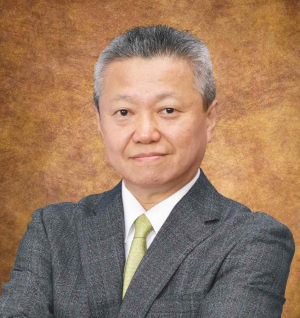
Since January 2026, I have had the honor of serving as President of the Japanese Society for Food Microbiology.
The Japanese Society for Food Microbiology was originally established in November 1980 as the "Research Group for Food Hygiene Microbiology" and was reorganized in April 1990 into its current form. Since then, the Society has been dedicated to promoting research in food microbiology and disseminating its findings, with the aim of contributing to the improvement of food safety and functionality. One of the Society's key strengths lies in its interdisciplinary nature, bringing together experts from academia, industry, and government, and fostering collaboration among universities, industries, and national and local authorities to address societal challenges.
In recent years, however, the number of members has been declining, and there is a growing need to further enhance the quality and attractiveness of the Society's activities. In light of this situation, the current Board of Directors will actively address the following issues.
First, we will further enhance the Society's website. Discussions on its renewal began under the leadership of former President Masami Miyake and were implemented during the presidency of Yukiko Kudo. Building on these efforts, we will continue to develop the website to ensure that information desired by members can be delivered more promptly and accurately.
Second, we will address the decline in membership. This trend is likely due to multiple factors, including the declining birthrate and aging population, a reduction in positions at universities and public research institutions, and the globalization of corporate activities. To respond to these challenges, we will establish a young members' group to engage early-career researchers and professionals, and we will also promote the internationalization of the Society by exploring mechanisms to encourage participation from researchers working overseas and from international members.
Third, we will strive to organize attractive annual meetings and further enhance academic and technical seminars, continuously providing valuable information to our members.
Fourth, we will strengthen the Journal of the Japanese Society for Food Microbiology. At present, the number of submitted manuscripts is not sufficient, and securing high-quality submissions remains a challenge. The Board and the Editorial Committee will work together to encourage active submissions from members and to address this issue.
Finally, we will position the incorporation of the Society as a key agenda item for this term. Although the Society currently has approximately 1,000 members and has long discussed incorporation at the Board level, it has yet to be realized. However, as the social responsibilities expected of the Society continue to grow, it is increasingly important to reconsider the overall structure of the Society, including incorporation, in order to enhance transparency, strengthen public credibility, and ensure the sustainability of its activities.
As outlined above, the Japanese Society for Food Microbiology faces a number of urgent challenges. These cannot be addressed by the Board alone. The understanding, support, and cooperation of all officers--including directors, auditors, and councilors--as well as all members, are essential.
As President, I am committed to exercising strong leadership, while drawing on the support and cooperation of all members, to help our Society overcome these challenges and achieve further development.
I sincerely appreciate your continued support and cooperation.
Shinji Yamasaki
President
Japanese Society for Food Microbiology